
- Menu
- Home
- IN-STOCK
- TPE Love Doll
- Silicone sex doll
- Customize a doll
- AI Sexbot
- Mini Love Dolls
- TORSO
- Legs
- Head
- ADD-ONS
- VIDEOS
- PICS FROM FACTORY
- Q&A
- BLOG

Why TPE dolls get stained and how to clean them effectively!
TPE dolls (thermoplastic elastomer) are appealing thanks to their soft, realistic texture and great flexibility. However, this material has a particularity: it is slightly porous and contains mineral oils that slowly migrate to the surface. This natural process makes the doll’s skin pleasant to the touch, but also more vulnerable to color transfer.
Stains often appear after wearing dark clothing — black, blue, red — or even after prolonged contact with colored sheets, wigs, or poorly chosen accessories. The cheaper the fabric, the more likely its dye is to bleed. Under pressure (lying position, tight clothing), pigments penetrate the TPE because of the mix between the oils on the doll’s skin and the textile dyes.
In other words:
- the cheaper the fabric, the higher the risk;
- the darker the clothing, the higher the risk;
- the longer or more compressed the contact, the deeper the stain will be.
Even a low-quality wig can stain a silicone or TPE scalp, especially if it is brightly colored or poorly rinsed after manufacturing.
Best practices to avoid stains on a TPE sex doll
Prevention is always better than repair. To keep a clear, even skin tone, a few simple habits are enough to drastically reduce the risk of staining.
1. Maintain the skin regularly
After each use, clean the surface with warm water and mild soap, then let it dry. Next, apply a thin layer of talc or special TPE powder. This has two benefits: it absorbs excess surface oil and creates a dry barrier that limits pigment adherence.
2. Choose suitable clothing
- Favor light synthetic fabrics: white, beige, pastels, light gray.
- Avoid cheap black, red, or blue lingerie.
- Always wash new clothes several times before dressing your doll in them.
- If in doubt, test the clothing: wrap a small TPE sample in the fabric for 24 hours under pressure. If it stains, that garment should be avoided.
3. Reduce prolonged contact
If your doll stays dressed or lying down for long periods, rotate outfits regularly. Humidity, heat, and prolonged pressure accelerate pigment migration. It’s better for her to rest nude on a light-colored sheet or wrapped in a white cloth.
4. Protect the head and sensitive areas
Before putting on a wig, add a light-colored wig cap or net. This prevents pigments from the wig base from transferring onto the doll’s scalp, while also improving hairstyle hold.
How to remove a stain from TPE
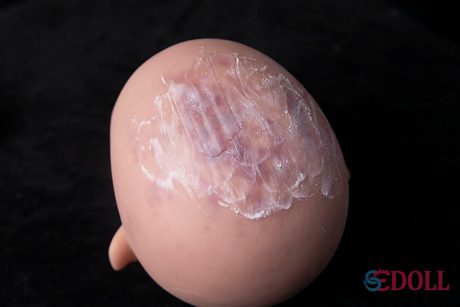
Even with all possible precautions, a TPE doll may eventually show some discoloration. Most stains can be reversed using a special TPE stain remover.
Here is the most effective method, tested and used by many owners:
Required materials
- A jar of special TPE stain remover
- A white towel to protect the work surface
- Cotton swabs or a fine brush
- Protective gloves
- A toothpick to mix and smooth the paste
Steps to follow
1. Prepare the area
Clean the stain with a damp cloth and let it dry completely. Mix the stain remover until you get a uniform texture. Lay the doll on a flat surface protected by a white towel.
2. Apply the product
Using a cotton swab, apply a thin layer of stain remover directly onto the stain. The amount should be enough to cover the area without excess. The older the stain, the more you’ll need to insist.
3. Let it sit
Let the product work in open air for about 24 hours. The stain remover will gradually draw out the embedded pigments and bring them to the surface.
4. Check and repeat
After 24 hours, gently wipe the area with a dry cloth. If discoloration remains, repeat the process. Some deep stains may require 3 to 5 applications spaced one day apart.
5. Finishing touches
Once the stain has fully disappeared, clean the area and apply care powder to restore the softness and matte finish of the TPE.
Additional tips
- If a garment tends to bleed, soak it for several hours in salted water, then wash it several times with a strong detergent to help fix the dyes.
- Avoid household solvents, alcohol, or acetone: these products damage the structure of TPE and make things worse.
- Never heat TPE to try to remove a stain: heat will permanently deform it.
Key takeaways about TPE love dolls and staining
Stains on a TPE doll result from pigment transfer, often caused by dark clothing, low-quality fabrics, or prolonged contact. By choosing lighter, higher-quality textiles, cleaning regularly, testing garments beforehand, and properly protecting sensitive areas, you greatly reduce the risk of unwanted marks.
When stains do appear despite your efforts, using a special TPE stain remover applied methodically in several thin layers will, in most cases, restore a clean surface without damaging the material. Prevention, consistency, and patience will keep your doll looking clean, attractive, and pleasant to use for a long time.
Related Posts

Pubic hair can instantly transform the appearance of a love doll. We explain everything you need to know about adding pubic hair to a sex doll that was originally created without it. A simple, easy, and effective method.

Rest assured, TPE tears are 95% reversible and easily repairable. We explain the procedure in a video in this blog post.
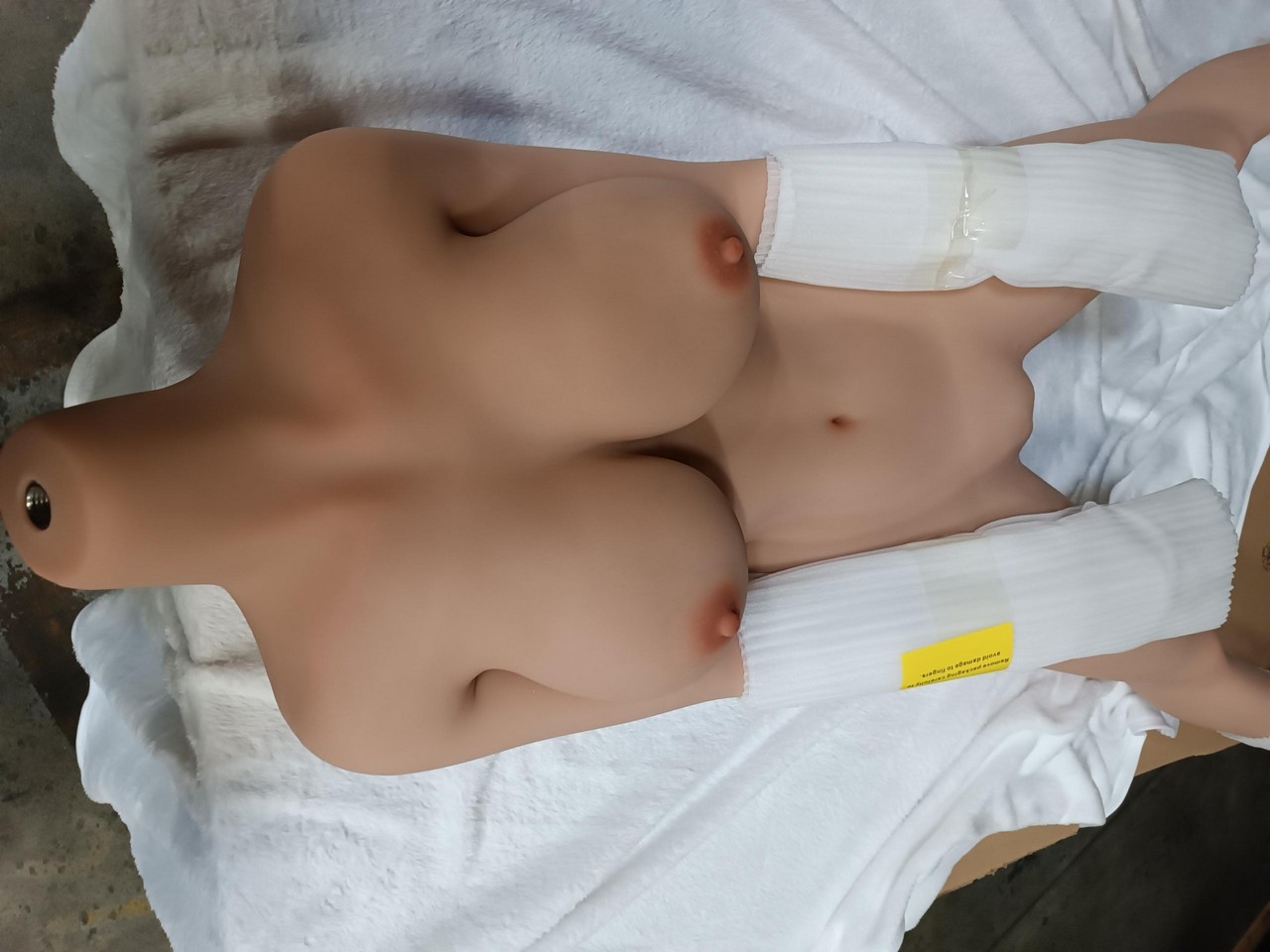
Love dolls made of TPE are known for their softness and realistic feel, but this material remains sensitive to prolonged pressure. When a part of the body (buttocks, breasts, wrists, ankles, etc.) stays in contact with a hard surface or is compressed, marks, deformations, or dents may appear. Fortunately, it is easy to restore the original shape of the TPE if you follow the proper steps.
This article includes a comprehensive step-by-step guide and a tutorial video (see the bottom of the page) that shows these techniques in practice.

Here, we chose to showcase the electric vagina module from SEDoll, but we could have selected IronTechDoll, Zelex Doll, or another brand. The goal is to show you how the auto-sucking vagina of a sex doll works, including its design, user guide, and a video demonstration.

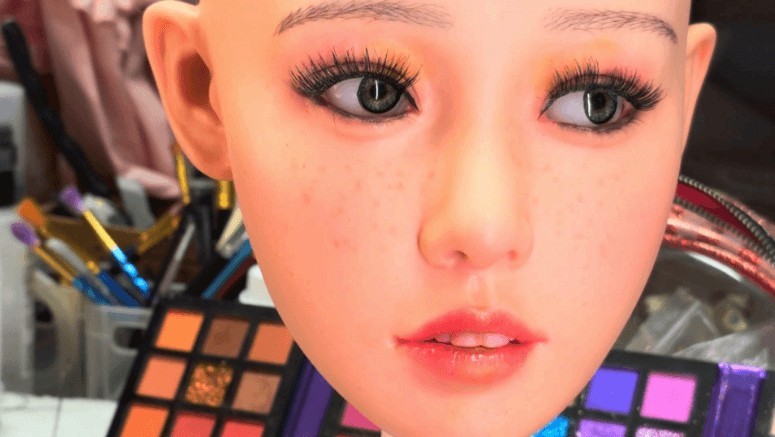
You are the proud owner of a TPE sex doll or a silicone love doll and want to give your doll's face a new personality? Consider changing the eye color of the face! You'll be amazed by the result! Here, I’ll explain how to perform this operation on a TPE face or a hard silicone face.
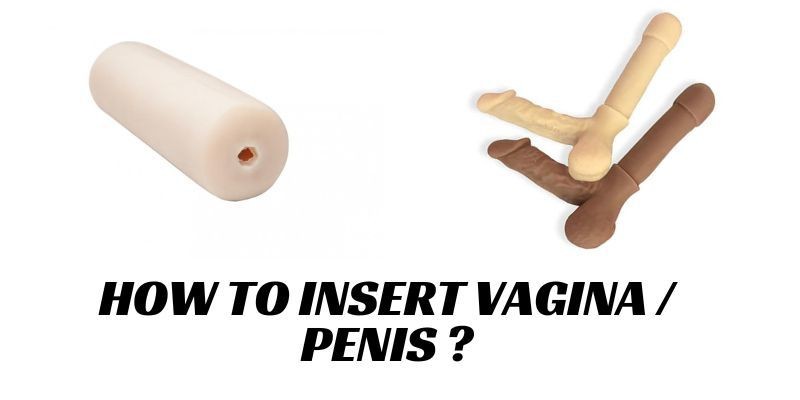
If you are wondering how to insert the removable vagina inside your love doll, this post is for you. You will discover 2 explanatory videos for the insertion of a vagina, but also of a Penis Insert. Have a good read.

Possibly the most common question asked by people discovering sexdolls for the first time: why do your dolls have bolts under their feet? It doesn't look good and it's unsightly! Here is an article that will certainly reconcile you with the Standing option. All the explanations are here! Have a good read!

A subject rarely covered: the importance of moisturizing your sex doll's TPE with oil. Find out what oil to choose, how to maximize the durability of your sex doll and how to proceed. Your love doll will thank you! Have a good read.
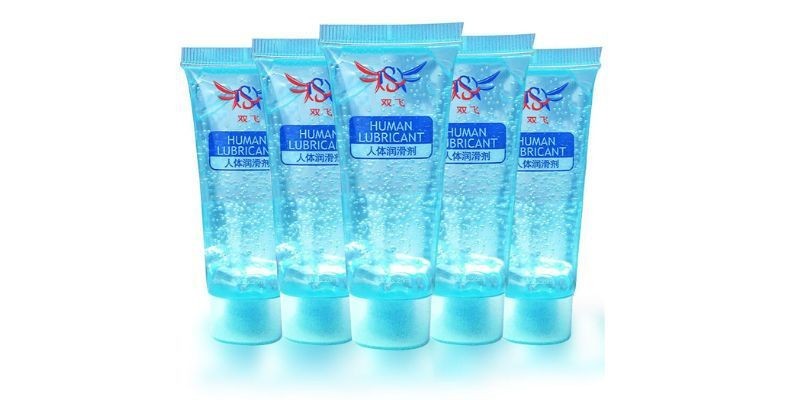
A common question for all seasoned sex doll owners, the question of lubricating the intimate parts of your love doll is worth addressing for new enthusiasts. You will find all the answers here. Have a good read.